AI Facebook Ad Generator: Turn Product Inputs into Ad Creatives
Turn your product URL or image into Facebook and Instagram ad concepts. Create visuals and copy, compare different hooks, and publish approved creatives to your connected Meta account with AdRiseLab.
Inside the AdRiseLab demo
One product. Three creative directions.
The Solara sample set shows how a product reference can support different hooks and layouts. Compare the idea in each ad, not just its colors.
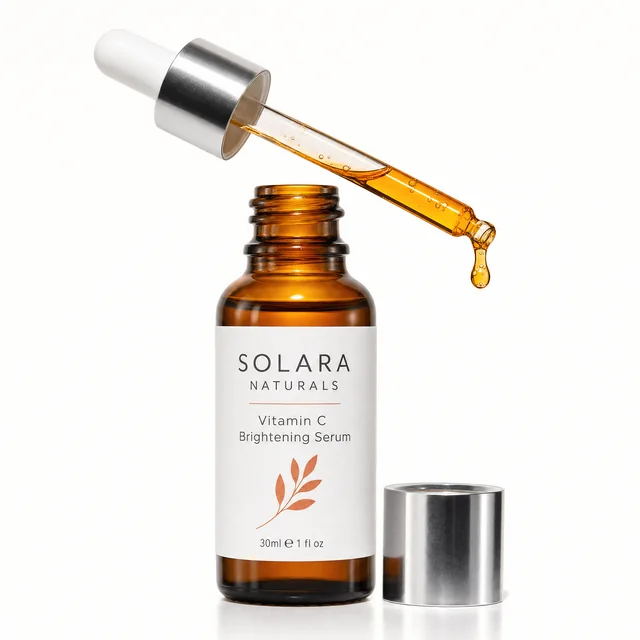
Product reference
Solara vitamin C serum
Start with your product page or an image you can use. Check the extracted product details, then choose the message and format for your next creative.
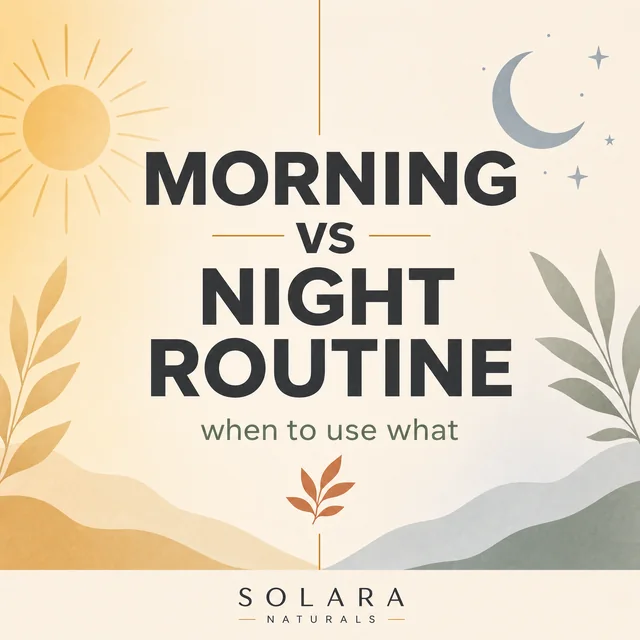
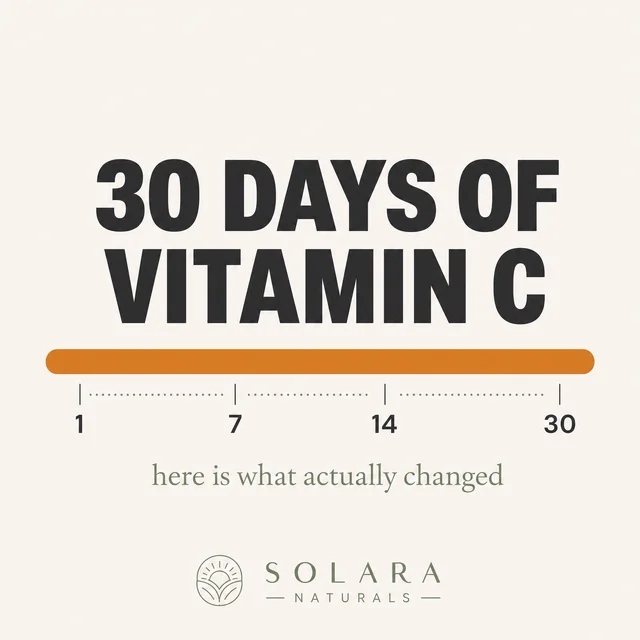
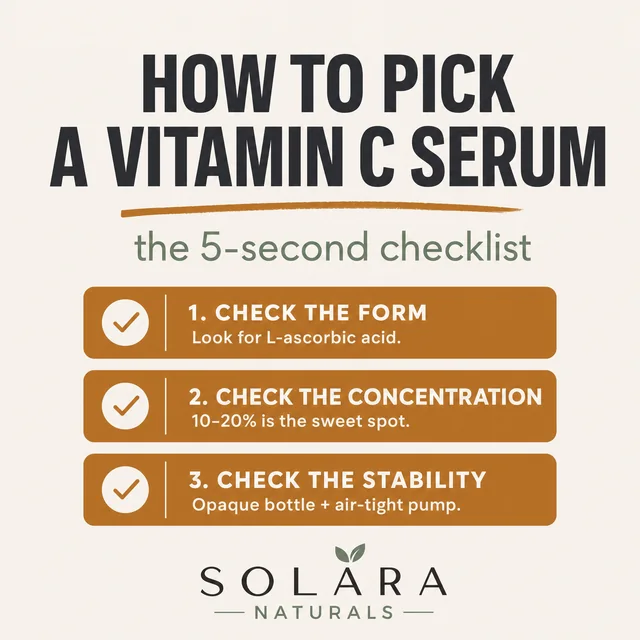
AI-generated demo creatives. Sample copy illustrates a layout; it is not verified customer testimony or measured ad performance. Use your own substantiated product claims before publishing.
From product input to an approved Meta ad
- 01
Add your product
Bring a product URL or image. Review the product, audience and offer before generating.
- 02
Create your variations
Choose a hook and visual direction. Review the generated images and copy together.
- 03
Review and publish
Connect Meta when you are ready to publish. Check the campaign, budget and placements; publishing requires your approval.
Prefer to start with a layout? Download our nine free static ad templates, or follow the dropshipping ad creation workflow.
Creative Diversity in Meta Advertising
Meta describes Andromeda as a personalized-ads retrieval system. It narrows a very large pool of eligible ads to candidates for later recommendation, ranking, and auction decisioning. Creative quality and relevance matter, but audience inputs, bids, estimated action rates, and ad quality remain part of the documented system.
Meaningful variation is useful because it gives an advertiser different hypotheses to test: hook, message angle, visual treatment, format, offer, and proof. Meta does not publish an advertiser-facing Entity ID optimizer or a rule that template-similar ads are collapsed into one entry, so those ideas should not be presented as product capabilities.
Placement requirements still differ. A useful workflow creates the dimensions you need, previews each placement, and preserves a human approval step before anything goes live.
How Many Creatives Do You Need?
Meta does not publish a universal requirement for 15, 25, or 50 new creatives per week across every account. A useful batch size depends on budget, objective, audience, conversion volume, placement mix, production cost, and how much evidence is needed to compare a hypothesis with its control.
Creative fatigue also has no universal lifespan. Compare trends in frequency, CTR, CPM, CPA, ROAS, delivery, audience, and placement over comparable periods. Refresh when the account evidence supports it, not because a fixed calendar rule says every ad has expired.
AI is most useful here as production support: it can broaden the set of concepts a team can review while designers and media buyers keep control of brand quality, policy, test design, and launch decisions.
AI-Powered Generation: Paste a URL, Get Ads
In AdRiseLab, product inputs can seed images, descriptions, brand context, and selling points. The workflow then prepares multiple visual and copy directions for review. Generation time varies by input, model, format, and batch size, so the page does not promise a universal completion time.
Automation can assist with extraction, copy angles, visual composition, text layout, and placement sizing. The advertiser still reviews factual accuracy, offers, brand fit, rights, policy compliance, and the campaign settings used at publication.
See the full URL-to-ad workflow and how each step works behind the scenes.
Every Format: Feed, Stories, and Reels
Different placements require different creative approaches. A feed ad (1080x1080 or 1200x628) needs to stop the scroll with a clear hook and visible product imagery. A Stories or Reels ad (1080x1920) has to work in vertical full-screen with safe zones for UI elements. Carousel ads need a coherent narrative across multiple cards while making each card independently compelling.
AdRiseLab can prepare placement-ready image compositions and copy, with review before Meta publishing. For Reels and Stories, AI Video Ads and AdFlow UGC render vertical video from the same product. Always preview cropping, text size, element position, and safe zones in the placements you select.
Explore AdRiseLab's multi-format creative generation and how it handles placement-specific optimization.
Cost Comparison: AI vs. Manual vs. Agency
Cost comparisons depend on scope. A designer or agency may provide research, original production, rights management, brand judgment, revisions, and campaign strategy that a generation tool does not replace. Compare the full workflow rather than a fabricated universal cost per creative.
AdRiseLab uses a credit model, not unlimited generation. The current plans are Starter $39/100 credits, Pro $99/300 credits, Scale $249/750 credits. The pricing page is the source of truth because feature access and credit costs can change.
A practical division of work is to use AI for research and variant production, then use human review for brand-sensitive assets, product claims, policy, test design, and final launch approval. The right split depends on the team and is not a universal percentage.
Read the detailed cost and performance comparison between AI-generated and manually created Facebook ads.
Generating Ad Visuals Without a Product Shoot
A generator is only as useful as the imagery it has to work with, and most catalogues are a single pack shot on white. AdRiseLab can place an existing product photo into different scenes and moods, so one usable image becomes a set of visual treatments to test rather than one ad repeated at different crops.
This does not replace a photoshoot for hero brand assets, where art direction, styling, and rights matter. It replaces the tenth variant of a shot you already own. See how product shoots are generated from one photo.
Publishing Into Your Meta Ad Account
Most ad generators end at a downloadable file, which leaves the slowest part of the job untouched: getting the creative into a campaign. AdRiseLab connects to your own Meta ad account and can build the campaign, ad set, and ads around the creatives you approved.
After you review the settings and confirm launch, AdRiseLab creates the campaign, ad set, and ads in ACTIVE status. Delivery and spend then depend on Meta review, schedule, budget, and account eligibility. Budgets, bidding, and campaign structure stay your decisions.
Deep Dive Articles
9 Static Ad Templates for Facebook & Instagram (Free SVGs)
Preview nine static ad layouts and download 18 editable SVG files for Facebook and Instagram feed ads. Includes use cases, examples and a practical testing guide.
ProductWhat Is AdRiseLab? Your AI Performance Marketer for Meta Ads
AdRiseLab is an AI performance marketer for Meta ads: it generates Andromeda-optimized creatives from a URL, detects fatigue before ROAS drops, analyzes competitor ads, and publishes to Meta in one click — the whole creative loop, from one platform.
How It WorksURL to 10 Meta Ad Creatives in 30 Seconds, Inside AdRiseLab's AI Creative Engine
Paste a Shopify, Amazon, or any product URL. Get 10 ad creatives with diverse hooks across 3 formats. Here is the 6-step pipeline, a worked example on a real skincare page, and the four cases where it breaks down.
Use Cases5 Minutes vs 5 Days: AdRiseLab vs Manual Ad Creation (Full Cost & Performance Breakdown)
30 ad assets in 5 minutes vs 3-5 creatives in 7 days. The real cost, speed, and ROAS comparison between AI and manual ad creative workflows.
How It WorksSkip the $2,000 Photoshoot: How AdRiseLab Turns One Product Photo into 36 Ad Visuals
Upload a single product photo, pick a scene and mood, get professional ad visuals in seconds. 6 scene types, 6 moods, no photographer needed.
AI AdsHow to Automate Facebook Ad Creation with AI in 2026 (Step-by-Step)
Manual ad creation is slow, expensive, and doesn't scale. Here's the complete step-by-step guide to automating Facebook ad creation with AI, from URL input to published campaign.
AI AdsSora 2 Shut Down April 26, 2026: The AI Video Ad Stack to Migrate To
OpenAI is sunsetting Sora 2 (app April 26, API September 24, 2026). If your video ad stack depends on Sora, you have a migration to plan. Here's the replacement stack for AI video ad creative.
UpdatesIntroducing AI Media Buyer: A Copilot That Reads Your Real Meta Account Data
Ask your ad account anything — why ROAS dropped, which hooks are fatiguing, what to launch next week — and get answers backed by your actual Meta performance data, not generic best practices.
Frequently Asked Questions
What is a Facebook ad generator?
How fast can a Facebook ad generator create ads?
Do Facebook ad generators work for all industries?
How much does a Facebook ad generator cost compared to hiring a designer?
Can I use a Facebook ad generator for Instagram ads too?
Get Started
AI audit of your Meta ad account plus creative generation, included in every plan from $39/mo.
Get StartedPlans from $39/mo · Cancel any time