AI Ad Creatives for E-Commerce Brands
E-commerce brands face a unique creative challenge on Meta: hundreds or thousands of SKUs, seasonal trends that shift weekly, and an algorithm that demands genuine visual diversity to perform. Manual creative production cannot keep up. This guide covers how e-commerce advertisers are using AI to scale from a handful of creatives to 50+ per week, without hiring more designers or booking more photoshoots.
From product input to an approved Meta ad
- 01
Add your product
Bring a product URL or image. Review the product, audience and offer before generating.
- 02
Create your variations
Choose a hook and visual direction. Review the generated images and copy together.
- 03
Review and publish
Connect Meta when you are ready to publish. Check the campaign, budget and placements; publishing requires your approval.
Store catalog
Pick the products to advertise this week

Cold brew

Soy candle
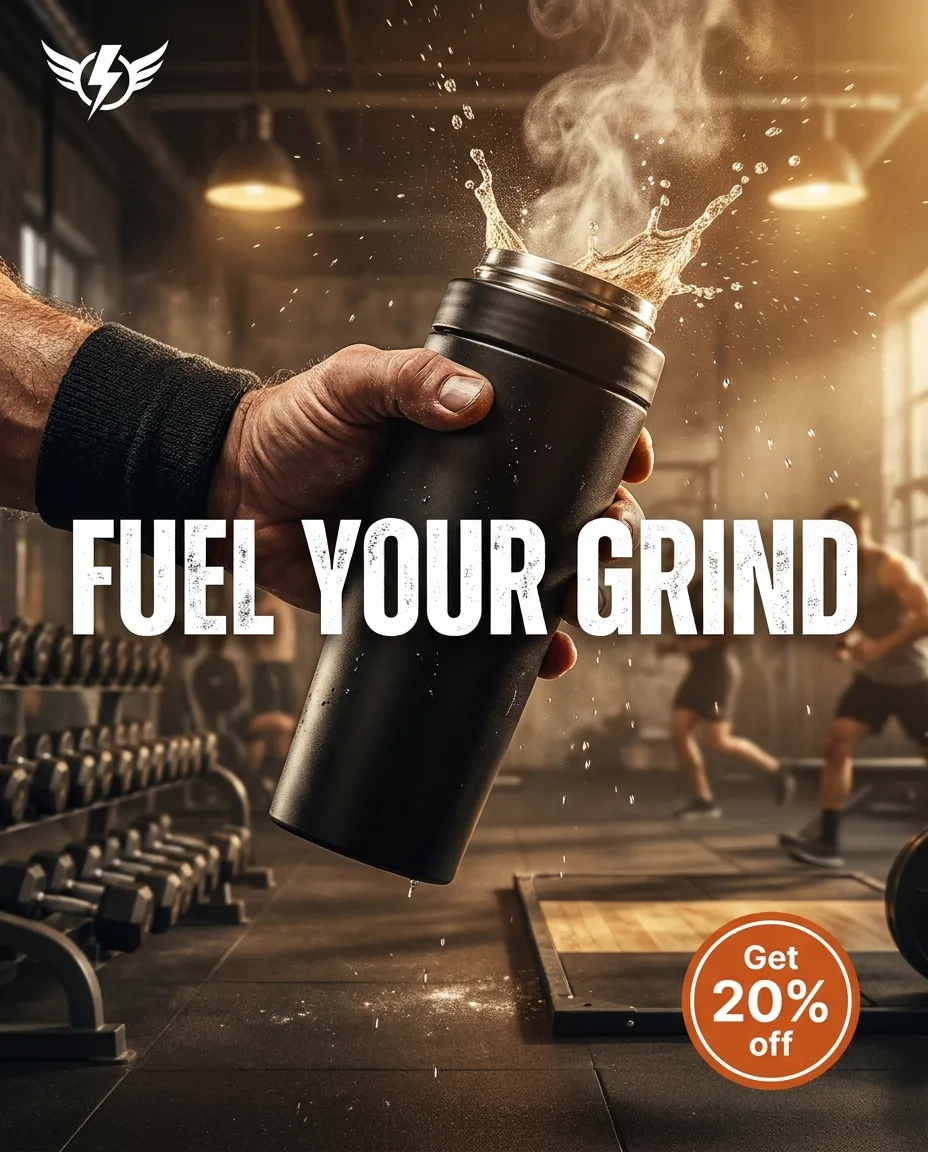
Protein shaker

Energy gummies

Gold hoops
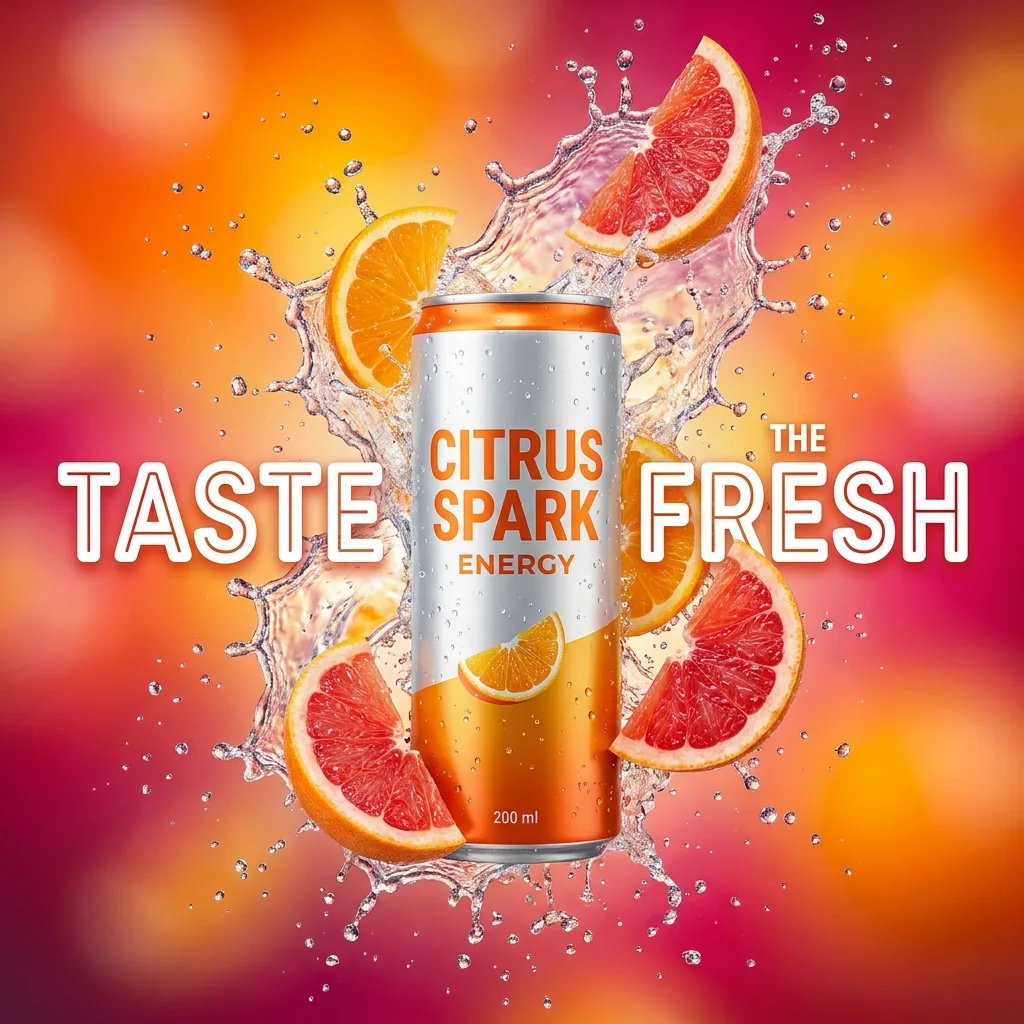
Citrus soda
0 of 6 selected
Create adsA static and a short video for each product
Cold brew
Soy candle
Energy gummies
Waiting for products
Publish 6 adsWatch the full product walkthrough
The E-Commerce Creative Bottleneck
Every e-commerce advertiser knows the feeling: your product catalog has 200 SKUs, your Meta ad account needs fresh creatives every week, and your design team is already maxed out handling email banners and website updates. The result is predictable, you end up running the same 5-10 creatives for weeks, watching performance decline as the algorithm exhausts the audiences those creatives can reach.
The problem is structural. Meta's Andromeda algorithm requires genuine signal diversity to discover new audiences effectively. Two product photos with different background colors but the same layout, text placement, and hook type are treated as a single signal. To actually give the algorithm what it needs, you need creatives that vary across multiple dimensions: visual composition, color treatment, text density, hook type, and emotional tone. Producing that kind of diversity manually, at the volume required, is economically impractical for most e-commerce teams.
Seasonal trends make the problem worse. A fashion brand launching a spring collection needs 30+ creatives ready on launch day, not trickling in over two weeks. A home goods brand running a Black Friday campaign cannot wait for a designer to iterate through five rounds of revisions on each creative. The speed requirement compounds the volume requirement, and together they create a bottleneck that limits growth.
Product URL to Ad Creative: The Catalog-Scale Workflow
The most efficient workflow for e-commerce creative production starts with what you already have: your product pages. Each product URL contains the key ingredients for an ad, product images, feature descriptions, pricing, and brand context. AI creative generation extracts these elements and transforms them into multiple ad creatives with distinct visual treatments and copy angles.
This URL-to-ad approach means you can systematically work through your catalog without briefing a designer for each SKU. Paste a product URL, generate 10+ creative variants in under a minute, review and select the strongest options, and publish directly to your Meta ad account. When you have 50 products to promote, this workflow turns what would be a multi-week design project into an afternoon's work.
See how AdRiseLab generates 10 creatives from a single product URL with maximum signal diversity built into every batch.
Scaling from 5 to 50+ Creatives Per Week
The difference between running 5 creatives per week and 50+ is not just volume, it fundamentally changes how Meta's algorithm can work for you. With 5 creatives, the algorithm is limited to 5 audience hypotheses. With 50+ genuinely diverse creatives, the system can test dozens of audience segments simultaneously, discovering profitable pockets you would never find through manual targeting.
E-commerce brands that make this jump typically see two things happen. First, their overall CPA decreases because the algorithm has more signals to work with and can find cheaper conversion paths. Second, their total addressable audience expands because diverse creatives reach user segments that a narrow creative set simply cannot access. The math is straightforward: more genuine signal diversity equals more audience coverage equals more efficient spend.
Learn how e-commerce brands are launching 50+ creatives per week with AI-powered production workflows.
Product Shoot Alternatives for E-Commerce
Traditional product photography is expensive and slow. A single product shoot, studio rental, photographer, styling, post-production, costs $500-$2,000 per SKU and takes 1-2 weeks from booking to final delivery. When you need 50 product visuals per week for your ad account, the economics simply do not work.
AI-powered product shoots solve this by generating professional-quality product visuals from a single source image. Upload one product photo, and AI generates lifestyle scenes, flat lays, contextual placements, and studio variations, each with distinct visual characteristics that register as separate signals in Meta's Entity ID system. The quality gap between AI-generated and traditionally photographed product visuals has closed significantly, with A/B test data showing comparable or better ad performance from AI visuals.
Explore how AI product shoots turn one photo into 36 ad-ready visuals at a fraction of traditional photography costs.
Advantage+ Shopping and Creative Rotation
Advantage+ Shopping campaigns are purpose-built for e-commerce, and they perform best when fed a large volume of diverse creatives. The campaign type uses Meta's broadest targeting combined with automated creative optimization, but the optimization can only work as well as the creative inputs allow.
The creative rotation strategy for Advantage+ Shopping is different from traditional campaign structures. Instead of testing 3-5 creatives and scaling the winner, you continuously feed the campaign with new creative signals while monitoring for fatigue. The algorithm handles the distribution, concentrating spend on winning creatives while testing new additions against smaller audience slices. Your job is to maintain a steady pipeline of genuinely diverse creatives entering the campaign.
Read our guide to Advantage+ Shopping creative rotation for the specific cadence and volume recommendations by spend level.
Deep Dive Articles
From 5 to 50+ Creatives Per Week: How E-Commerce Brands Scale Meta Ads with AdRiseLab
E-commerce brands need 50+ fresh Meta ad creatives per week to beat fatigue. Here's the exact AI workflow that makes it possible without a design team — from product URL to published ads in minutes.
How It WorksSkip the $2,000 Photoshoot: How AdRiseLab Turns One Product Photo into 36 Ad Visuals
Upload a single product photo, pick a scene and mood, get professional ad visuals in seconds. 6 scene types, 6 moods, no photographer needed.
How It WorksURL to 10 Meta Ad Creatives in 30 Seconds, Inside AdRiseLab's AI Creative Engine
Paste a Shopify, Amazon, or any product URL. Get 10 ad creatives with diverse hooks across 3 formats. Here is the 6-step pipeline, a worked example on a real skincare page, and the four cases where it breaks down.
IndustryCreative Rotation for Advantage+ Shopping Campaigns: A Practical Guide for 2026
Advantage+ Shopping gives Meta full control over delivery. But it also burns through creatives faster than any other campaign type. Here's how to manage creative rotation so your ASC campaigns stay profitable.
Ad OptimizationCatalog (DPA) Ads on Meta: Why Your Product Feed Is Quietly Killing ROAS
Dynamic Product Ads on Meta scale automatically — which means a broken product feed quietly bleeds ROAS for months without anyone noticing. Here are the seven feed-quality signals that determine DPA performance and how to audit each one.
Ad StrategyFounder-Led Meta Ads: The Selfie-Video Format Lifting DTC CPA by 28% in 2026
Founder-led selfie video — the format where the founder talks to camera about why they built the product — now beats UGC creator ads in 2026 across DTC categories where authenticity and origin story matter. Here's the script structure, production approach, and when it works (and doesn't).
Ad StrategyCreator Whitelisting on Meta Ads in 2026: The Complete Setup, Pricing & Performance Guide
Whitelisted ads (paid ads running under a creator's handle, not your brand's) now deliver 20-35% lower CPA than the same creative run from the brand page. This is the complete playbook: setup, contracts, pricing, and the performance math that makes whitelisting worth the operational overhead.
Ad StrategyClick-to-WhatsApp Ads: The 2026 Format Driving 2-3× Cheaper Leads in 14 Industries
Click-to-WhatsApp ads have quietly become one of the highest-ROI Meta ad formats in 2026, particularly for service businesses, B2C high-consideration purchases, and emerging markets. Here are the 14 industries seeing 2-3× cheaper leads vs traditional formats.
E-Commerce by Industry
Frequently Asked Questions
How many Meta ad creatives does an e-commerce brand need per week?
Can AI-generated product photos replace professional photoshoots for Meta ads?
How does Advantage+ Shopping work with AI-generated creatives?
How do I turn my product catalog into Meta ad creatives at scale?
What types of e-commerce ad creatives perform best on Meta in 2026?
Turn Your Product URL into Meta Ads
Turn product-page inputs into diversified, Meta-ready ad concepts for e-commerce testing.
Get StartedPlans from $39/mo · Cancel any time